How to Avoid Composite Siding Color Mismatch: The Definitive Guide
The installation of composite siding represents a significant capital investment in a property’s longevity and aesthetic value. However, the technical reality of manufacturing and installing these synthetic materials introduces a specific architectural challenge: visual inconsistency. When individual panels or sections of a facade do not align in hue, saturation, or sheen, the intended cohesive look is shattered. How to Avoid Composite Siding Color Mismatch. This phenomenon, often occurring during phased renovations or after repairs, demands a sophisticated understanding of material science and logistics to manage effectively.
Achieving a uniform exterior requires moving beyond the surface-level assumption that a product SKU remains identical across years or even manufacturing runs. Environmental factors, UV degradation of existing panels, and the nuances of batch-lot production create a landscape where “matching” is rarely a default state. To maintain a high-quality finish, property owners and contractors must adopt a proactive strategy rooted in procurement discipline and technical foresight.
The following analysis serves as a comprehensive guide for navigating the complexities of color consistency in composite materials. By examining the structural causes of variance and the practical methodologies for mitigation, this pillar asset provides the depth necessary to manage large-scale siding projects without falling victim to the common pitfalls of visual fragmentation.
Understanding “how to avoid composite siding color mismatch”
The primary difficulty in learning how to avoid composite siding color mismatch lies in the intersection of chemistry and chronology. Most homeowners perceive color as a static attribute—a specific “code” that can be ordered and replicated indefinitely. In reality, composite siding, which typically blends wood fibers with plastic polymers or cellular PVC, is subject to the variables of industrial production.
A “mismatch” is rarely a complete deviation in color; instead, it usually manifests as a slight shift in the undertone or a difference in light reflectance (sheen). These subtle discrepancies become glaringly obvious when panels are abutted on a flat plane under direct sunlight. The human eye is exceptionally keen at detecting breaks in a continuous surface, meaning even a 2% variance in pigment density can result in a visible “patchwork” effect on a home’s exterior.
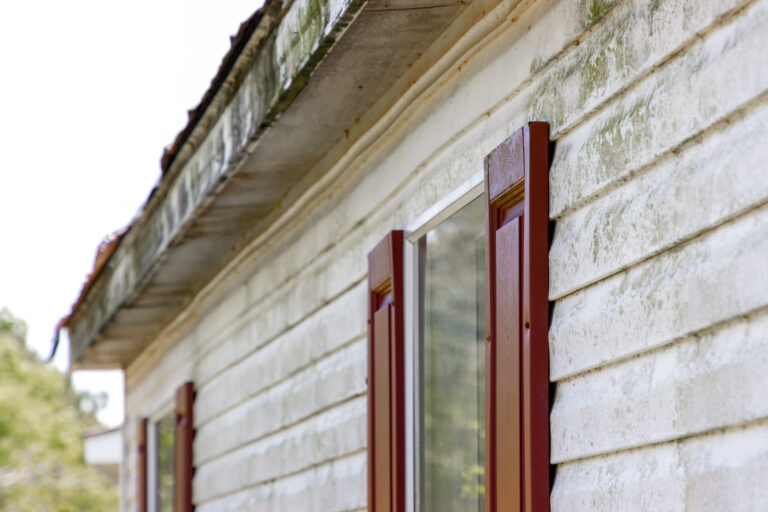
Oversimplification of this issue often leads to the “replacement trap.” This occurs when a small section of siding is damaged, and the owner orders the exact same brand and color name five years later, only to find the new panels look vibrant and saturated against the weathered, muted tones of the original installation. Understanding the mechanism of this mismatch requires acknowledging that both the new product (due to batch variance) and the old product (due to environmental exposure) have changed.
The Systemic Evolution of Composite Color Technology
Historically, the building materials industry struggled with the stability of synthetic pigments. Early generations of composite siding were prone to “chalking,” where the binder would break down under UV exposure, leaving a white, powdery residue that fundamentally altered the perceived color. Modern engineering has largely solved the chalking issue through the integration of high-performance acrylic caps and UV inhibitors embedded within the polymer matrix.
However, as durability improved, the logistics of color matching became more complex. Manufacturers frequently update their chemical formulations to comply with new environmental regulations or to improve fire resistance. These “silent” updates can subtly shift how a pigment reacts to the base material. Consequently, the historical evolution of the product has moved from a struggle against degradation to a struggle against manufacturing “drift.” The modern professional acknowledges that the “same” product from 2020 and 2026 are chemically distinct entities.
Conceptual Frameworks for Visual Consistency
To effectively manage a siding project, one must apply specific mental models that prioritize long-term visual health over short-term convenience.
-
The Batch-Integrity Model: This framework posits that the only way to guarantee a 100% match is to ensure every piece of siding on a single elevation comes from the same “run” or “lot.” If a project is large, the procurement must be centralized to prevent the mixing of different production dates.
-
The UV-Degradation Gradient: This model accounts for the “weathering” variable. It assumes that from the moment of installation, the color is in a slow state of transition. Any future additions must be calibrated not to the original factory color, but to the current state of the weathered siding.
-
The Plane-Break Strategy: This is a spatial framework. It suggests that if different batches must be used, they should never meet on a single flat wall. By switching batches at a corner or a transition strip, the shadow line masks the subtle color shift, using the home’s architecture to hide material limitations.
Categories of Material Variance and Industry Trade-offs
Different composite types handle color through various manufacturing processes, each with inherent risks regarding mismatch.
| Siding Type | Color Application | Mismatch Risk | Primary Cause |
| Cellular PVC | Integrated Pigment | Moderate | Batch-to-batch variation in heat stabilizers. |
| Wood-Plastic Composite (WPC) | Capped Polymer | Low to Moderate | Variations in the “capstock” grain texture affecting light bounce. |
| Fiber Cement (Pre-finished) | Factory-applied Coating | High | Variations in paint viscosity and drying temperatures. |
| Fiber Cement (Site-painted) | Manual Painting | Variable | Human error in mixing or application thickness. |
Realistic Decision Logic
When selecting a material, the tradeoff is usually between “initial consistency” and “long-term reparability.” A pre-finished product offers the most vibrant out-of-the-box color but is the most difficult to match five years later. Conversely, a product that is designed to be painted on-site offers lower initial consistency but provides a clear path for how to avoid composite siding color mismatch in the future: simply repaint the entire elevation with a single batch of high-quality exterior paint.
Detailed Real-World Scenarios How to Avoid Composite Siding Color Mismatch
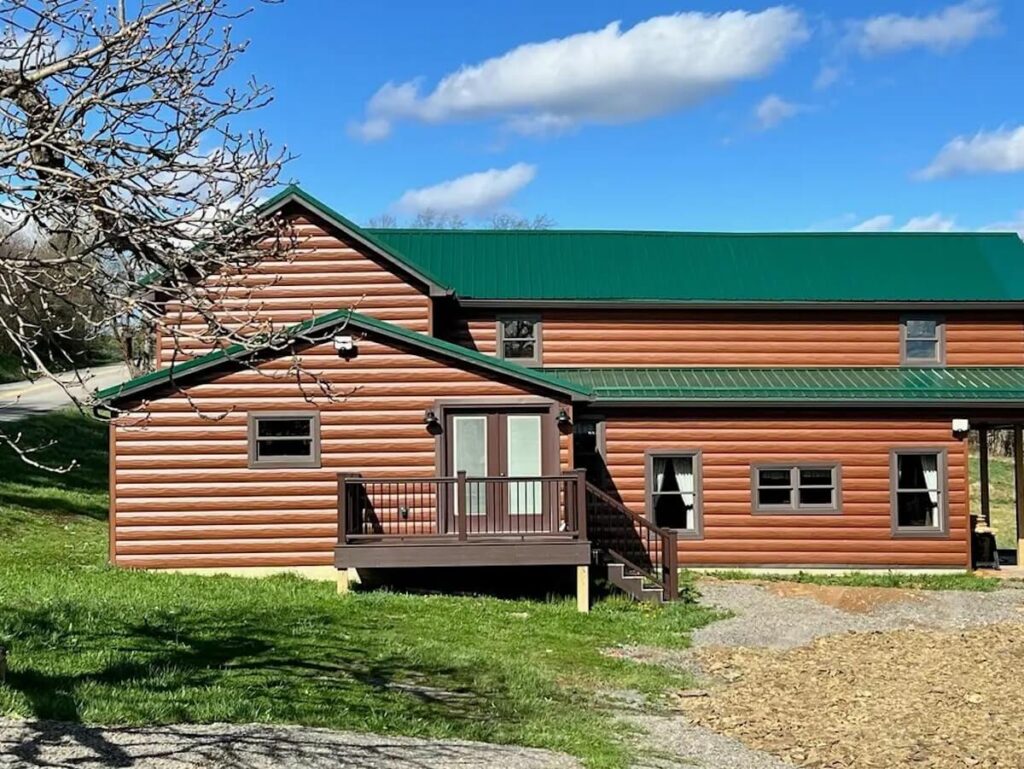
Scenario A: The Phased Expansion
A homeowner installs high-end composite siding on the main house, intending to do the detached garage two years later. Despite ordering the same “Midnight Slate” SKU, the garage appears slightly more blue.
-
Failure Mode: Failure to account for “lot drift” and environmental fading of the main house.
-
The Fix: Use a decorative transition, such as a different texture or a vertical board-and-batten style for the garage, to make the color shift look intentional.
Scenario B: The Storm Repair
Hail damages three panels on the south-facing wall. The replacement panels are a perfect match to the original sample, but they look “too dark” next to the sun-bleached existing siding.
-
Decision Point: Rather than replacing just three panels, “harvest” original panels from an inconspicuous area (like behind a chimney) to use for the repair, then put the new, slightly mismatched panels in the hidden spot.
Planning, Cost, and Resource Dynamics
The economic impact of a color mismatch is often ignored until it becomes an aesthetic crisis. Repainting a 2,500-square-foot home because of a botched repair can cost significantly more than the initial siding installation.
| Cost Category | Potential Range (USD) | Impact on Quality |
| Over-ordering (Waste Factor) | 5% – 10% of total | Provides “insurance” panels for future repairs. |
| Lot Verification Labor | $200 – $500 | Ensures contractor checks batch numbers before unboxing. |
| Professional Color Matching (Lab) | $150 – $300 | Necessary for custom-painting repairs to match weathered surfaces. |
| Full Elevation Re-coating | $3,000 – $7,000 | The ultimate “fail-safe” when matching is impossible. |
Tools, Strategies, and Support Systems
-
Batch Number Tracking: Always record the production codes found on the back of the siding or on the packaging.
-
Strategic Harvesting: Keeping “attic stock” (extra siding) in a climate-controlled, dark environment to prevent it from aging differently than the installed product.
-
Colorimeter Usage: Using a handheld digital color sensor to measure the actual current color of weathered siding before ordering replacements.
-
Directional Installation: Ensuring all panels are installed in the same orientation (as indicated by manufacturer arrows) to maintain uniform light reflection.
-
Shading Analysis: Identifying “high UV” walls versus “low UV” walls; mismatches are more tolerated on shaded north-facing elevations.
-
Transition Moldings: Using “H-molds” or corner posts to create hard breaks between different production runs.
Risk Landscape and Failure Modes
The greatest risk in learning how to avoid composite siding color mismatch is the “compounding effect.” A minor manufacturing variance (1%) combined with a minor installation error (panels flipped upside down) and a year of intense UV exposure can result in a 10% visual deviation.
Another failure mode is “Sheen Inconsistency.” Even if the pigment is identical, if one batch has a glossier finish than the other, they will appear to be different colors at certain times of the day. This is often caused by the temperature of the extrusion mold during manufacturing.
Governance, Maintenance, and Long-Term Adaptation
To maintain the visual integrity of a composite facade, a structured monitoring cycle is required.
-
Annual Cleaning: Dirt and biological growth (mildew) can mimic color fading. A gentle wash ensures you are evaluating the material, not the debris.
-
Semi-Annual Inspection: Check for “hot spots” where light reflecting off high-efficiency windows might be “burning” the siding, causing localized discoloration.
-
Replacement Triggers: If more than 15% of a single wall needs replacement, it is often more cost-effective to replace the entire wall rather than attempting a surgical match.
Measurement, Tracking, and Evaluation
Evaluating the success of a color-matching effort requires both objective and subjective signals.
-
Delta-E (ΔE) Value: A technical measurement of the difference between two colors. A ΔE of less than 1.0 is generally imperceivable to the human eye.
-
The “Golden Hour” Test: Inspect the siding during the first or last hour of sunlight. The long shadows and warm light will highlight any differences in texture or sheen that cause a color mismatch.
-
Documentation: Maintain a “Project Bible” containing original invoices, color codes, batch numbers, and a photo log of the installation.
Common Misconceptions and Oversimplifications
-
“The Warranty Covers Fading”: Most warranties only cover “excessive” fading (usually defined as a specific Delta-E shift over 10 years). They do not guarantee that the new replacement panel will match your old one.
-
“Painting Voids the Warranty”: While some manufacturers discourage painting, many modern composite lines are now “paint-friendly.” Always check the specific technical bulletin before applying a coating.
-
“I Can Just Buy the Same Color Name”: As established, the name “Gray” is a marketing term; the chemical composition is a moving target.
-
“Sun Exposure is Uniform”: The south side of a house will always age faster than the north. Expecting a uniform color across all four sides after five years is a misunderstanding of physics.
Conclusion
Mastering how to avoid composite siding color mismatch requires a shift from viewing siding as a “set-and-forget” product to seeing it as a dynamic system. The key to long-term aesthetic success lies in the discipline of the initial procurement—buying from a single lot and keeping surplus—and the architectural wisdom of using transitions to mask inevitable material shifts. By respecting the realities of UV degradation and manufacturing tolerances, one can ensure that the home’s exterior remains a cohesive, high-value asset for decades to come. Visual consistency is not a product of luck; it is a result of meticulous planning and technical oversight.